Description:
Discover the AIMOLI AML921 water well inspection camera, well inspection camera, water well camera inspection system, deep well inspection camera for sale, and water well inspection camera for sale for groundwater monitoring and well inspection.
AIMOLI AML921: A Professional Downhole Camera Solution for Groundwater Monitoring and Deep Well Inspection
In groundwater monitoring, environmental investigation, and deep well inspection projects, accurately understanding conditions inside a well is the foundation for carrying out subsequent work. Water level and water quality data can reflect some characteristics of groundwater, but when we need to observe the condition of well casing, internal well structures, and other situations that require direct observation, relying only on surface data is often insufficient.
This is also why I have always valued downhole visual inspection technology. I hope that the equipment we provide at AIMOLI can not only meet on-site inspection requirements but also help customers obtain valuable image records and provide references for engineering assessment and subsequent decision-making.
For professional users looking for a water well inspection camera, equipment selection involves more than the camera itself. It also includes probe diameter, inspection depth, site conditions, image recording, and data management.
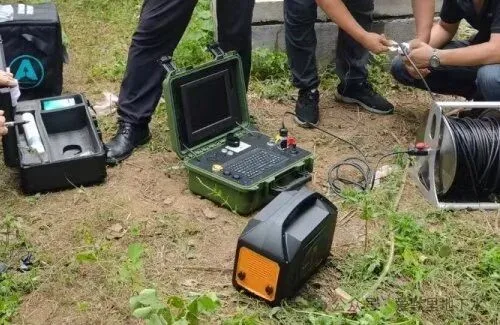
The AIMOLI AML921 digital downhole camera system is a solution designed for groundwater monitoring well inspection and related environmental investigation applications.
Making Well Inspection More Direct and Based on On-Site Information
Groundwater monitoring wells may be used for long-term water level observation, groundwater sampling, and environmental investigation. As their service life increases, project teams may need to re-examine internal well structures, investigate abnormal conditions, or assess whether further maintenance is necessary.
In these situations, a well inspection camera can provide direct images from inside the well, help technical personnel observe visible structures, and support subsequent analysis.
Relevant technical materials from the U.S. Geological Survey (USGS) and the U.S. Environmental Protection Agency (EPA) address borehole video inspection and groundwater well condition assessment. These methods can supplement conventional monitoring and sampling information, but they cannot replace all water quality testing or structural assessments.
I believe the real value of professional camera equipment lies in helping users obtain information that was previously difficult to observe directly. For projects requiring long-term monitoring, preserving internal well images can also provide references for subsequent inspections.
When selecting a water well inspection camera, we recommend first clarifying the inspection objectives: whether the purpose is to examine visible internal structures, investigate abnormal conditions, or establish verifiable image records for a project. Different objectives will affect equipment configuration and actual usage methods.
AIMOLI AML921: Multi-Camera Observation and Digital Information Management
The AIMOLI AML921 is a digital downhole camera system designed for internal inspection of groundwater monitoring wells.
According to the product specifications, the system features a three-camera digital observation configuration, a probe diameter of approximately 45 mm, and support for digital storage and transmission of inspection information.
For purchasing personnel comparing water well inspection camera options, I recommend learning about the AML921 from the following aspects.
Multi-Camera Configuration and Internal Well Observation
In downhole environments, factors such as insufficient lighting, limited observation space, and water clarity may affect the final images.
The AML921 features a three-camera configuration that supports stereoscopic observation, providing technical personnel with more visual information from inside the well. For projects that require inspection of visible internal structures, this observation method is worth evaluating in relation to the actual inspection objectives.
When conducting water well camera inspection, the equipment must not only be able to enter the target well but also provide appropriate observation results according to project requirements. Therefore, we recommend that customers describe the internal well structure, target observation locations, and on-site water conditions before purchasing so that the equipment’s suitability can be confirmed.
Digital Inspection Records
Professional inspections often require the preservation of on-site information for technical review, project archiving, or subsequent analysis.
The AML921 supports digital storage and transmission of inspection information, helping users manage inspection records and share information according to their actual workflows.
For organizations that need to inspect multiple wells, systematically preserving images can help teams organize project records. For projects that require well conditions to be reassessed at different times, historical records may also serve as references for subsequent evaluations.
Meeting the Practical Requirements of Professional Projects
We do not describe one piece of equipment as a universal solution suitable for every type of well. The depth, diameter, internal structure, and working environment of each project may differ, so equipment selection must be based on actual conditions.
If you are looking for a water well inspection camera for sale, we recommend verifying the probe diameter, effective inspection depth, data storage methods, and on-site operating requirements when comparing products, rather than focusing only on the purchase price.
You can find the specific product information for the AML921 here:
AIMOLI AML921 Digital Downhole Camera System
How Should Equipment Be Evaluated for Deep Well Inspection Projects?
Different well structures may have significantly different inspection requirements. For deep well projects, in addition to image quality, it is equally important to consider whether the equipment can reach the target depth, whether the probe can pass through the available internal space, and whether the cable configuration meets the requirements.
When evaluating a deep well inspection camera, I recommend confirming the following factors.
1. Actual Inspection Depth
It is necessary to distinguish between the total well depth and the planned inspection depth range, and confirm whether the equipment’s effective inspection depth and cable configuration meet the project requirements. This is particularly important for deep well projects.
2. Probe Diameter and Well Structure
The AML921 has a probe diameter of approximately 45 mm, but actual compatibility also depends on the internal diameter of the well casing, constricted sections, internal obstructions, and other structural conditions. Accurate information about the well structure should be provided before purchasing.
3. Water Clarity and On-Site Conditions
Suspended particles or turbidity in the well water may affect observation quality. If the water conditions at the project site are relatively complex, we recommend discussing possible limitations with technical personnel in advance and determining whether additional site preparation is necessary.
4. Data Usage Requirements
If inspection results need to be stored, shared, or used in technical reports, the supported recording methods and data transmission workflow should be confirmed in advance to ensure that they meet the project’s working requirements.
5. Maintenance and Long-Term Usage Requirements
If the equipment will be used for ongoing field inspections, it is also necessary to understand routine maintenance requirements, vulnerable components, operator training, and after-sales technical support. For professional inspection organizations, these factors affect the long-term equipment usage experience.
When customers are looking for a deep well inspection camera for sale, we recommend organizing the above conditions into a project requirements checklist and confirming each item with the equipment supplier. This can reduce uncertainty during the selection process and help determine whether the product is genuinely suitable for on-site work.
Which Applications Are Worth Considering for the AML921?
Groundwater Monitoring Well Inspection
For monitoring wells that have been operating for a long time, downhole visual inspection can supplement water level, water quality, and sampling records, providing technical personnel with additional information for well condition assessment and subsequent maintenance.
If a project requires internal well images to be preserved regularly, selecting a water well inspection camera with the corresponding digital recording capabilities can facilitate subsequent information management.
Environmental Investigation and On-Site Assessment
Environmental investigation projects may involve multiple monitoring wells. Technical personnel need to collect information according to site conditions and incorporate inspection results into project records.
Images obtained through water well camera inspection can help technical personnel observe visible internal structures and assess whether further inspection is necessary in combination with other investigation results.
Deep Well Structural Observation
For deeper wells, the equipment’s effective inspection depth, probe dimensions, cable configuration, and operating methods must all be confirmed in advance.
When purchasing a deep well inspection camera, its applicable range cannot be determined solely by the product name. We recommend discussing the technical requirements based on the actual well dimensions and project objectives before determining the appropriate equipment configuration.
Professional Equipment Purchasing and Engineering Contracting
If you are purchasing a water well inspection camera for sale for an inspection organization, environmental engineering company, or groundwater monitoring project, we recommend providing clear technical parameters and application requirements when requesting a quotation.
For deep well inspection camera for sale purchasing requirements, in addition to the product price, you should also consider whether the configuration matches the project, whether data management meets the project workflow, and whether the supplier can provide the necessary technical support.
AIMOLI hopes to help purchasing personnel determine whether the AML921 is suitable for their intended applications by fully understanding the customer’s project conditions, rather than making general promises without knowing the on-site situation.
Before Selecting Equipment, I Would Prefer to Understand Your Project
In the actual purchasing process, clarifying requirements is usually more effective than directly comparing product specifications.
If you are considering the AML921, we recommend preparing the following information in advance:
- The type and primary purpose of the well.
- The internal diameter of the well casing and the total well depth.
- The planned inspection depth range.
- The internal well structure and known site limitations.
- Water clarity and other conditions that may affect observation.
- Requirements for image storage, data transmission, and inspection records.
- The expected frequency of equipment use and project scale.
With this information, we can discuss equipment configuration and application conditions in a more targeted way.
For professional customers looking for a well inspection camera, clarifying inspection objectives can help narrow down equipment options. For organizations that need to purchase a water well inspection camera, confirming well conditions in advance can help prevent mismatches between equipment selection and actual applications.
If your project involves a relatively deep well, we recommend further confirming the equipment’s inspection depth and cable configuration. Whether you are comparing a deep well inspection camera or looking for professional equipment for your project, the final decision should be based on actual technical requirements.
Learn More About the AIMOLI AML921
The AIMOLI AML921 digital downhole camera system is designed for groundwater monitoring well inspection and related environmental investigation applications. By combining three-camera digital observation with inspection information management functions, it provides professional users with a downhole visual inspection solution.
I believe that genuinely valuable inspection equipment should help users obtain useful on-site information and enable that information to support subsequent analysis and engineering decisions.
If you are looking for equipment suitable for groundwater monitoring, environmental investigation, or deep well inspection projects, you are welcome to learn more about the AML921.
Product details: AIMOLI AML921 Digital Downhole Camera System
You can provide the AIMOLI team with the well diameter, well depth, target inspection range, and project application so that we can further confirm whether the equipment is suitable for your actual requirements.
Through professional products and thorough technical communication, we hope to help customers find downhole inspection solutions that suit their projects.
