For geological exploration, groundwater monitoring, environmental surveys, and hydrological research projects, the core of groundwater dynamic monitoring is not to “measure once,” but to continuously, stably, and completely obtain key data such as groundwater level, water temperature, and electrical conductivity.
Traditional hydrological monitoring equipment often has problems such as limited parameters, insufficient battery life, and poor adaptability to small-diameter monitoring wells, making it difficult to meet the requirements of long-term in-well in-situ monitoring. Frequent manual measurements in wells are not only time-consuming and labor-intensive, but can also easily cause data gaps and human measurement deviations, further affecting project data analysis, report preparation, and archiving.
In response to these practical application challenges, AIMOLI has launched the AML136 Groundwater and Geological Hydrological Instrument, designed for geological exploration, hydrological monitoring, and groundwater dynamic monitoring scenarios. Through integrated multi-parameter measurement of water level, water temperature, and electrical conductivity, it enables long-term, continuous, and unattended in-situ monitoring.
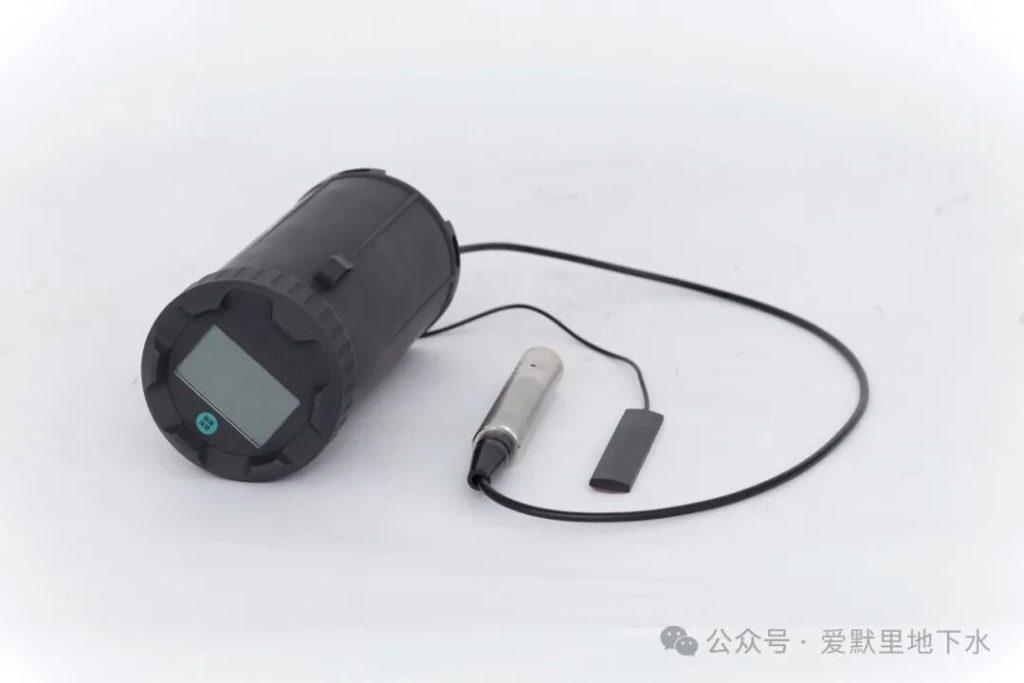
1. Why Does Groundwater Dynamic Monitoring Require Long-Term Hydrological Monitoring Equipment?
In regional groundwater dynamic monitoring projects, parameters such as water level, water temperature, and electrical conductivity usually need to be continuously recorded. Relying only on traditional manual measurements makes it difficult to obtain complete day-and-night variation data and to identify changes in groundwater parameters in a timely manner.
AIMOLI has long worked with frontline teams in geological exploration, hydrological monitoring, environmental surveys, and other fields. Through these projects, we have identified the following problems with traditional hydrological monitoring equipment:
- Frequent manual measurements: Personnel need to repeatedly enter wells to read data, resulting in high labor costs.
- Insufficient data continuity: Single measurements cannot form complete continuous monitoring data.
- Limited monitoring parameters: Some traditional equipment can only perform single-parameter measurements.
- Difficult adaptation to small-diameter monitoring wells: Equipment deployment and downhole operation are restricted by well diameter.
- Insufficient long-term operating capability: Frequent battery replacement or equipment maintenance affects the efficiency of groundwater dynamic monitoring.
- Data archiving pressure: Monitoring data gaps increase the difficulty of project report preparation and review.
Therefore, for projects requiring long-term groundwater dynamic monitoring, hydrological monitoring equipment capable of long-term deployment, continuous data collection, and multi-parameter simultaneous monitoring is more suitable for actual applications.
2. Customer Case: How Can Regional Groundwater Dynamic Monitoring Solve Long-Term Data Collection Challenges?
Recently, a customer involved in a geological exploration project shared a practical challenge with us:
“We are currently carrying out a regional groundwater dynamic monitoring project and need to record changes in water level, water temperature, and electrical conductivity over the long term.
Traditional equipment can only perform single manual measurements and cannot collect data continuously 24 hours a day, resulting in significant gaps in day-and-night data.
In addition, it is poorly adapted to small-diameter monitoring wells. Equipment deployment is complicated, frequent downhole maintenance is required, labor costs are high, monitoring data continuity is poor, and it is difficult for the project report to meet the required standards.”
For this type of project, the core requirement is not simply to complete a single water level measurement, but to establish long-term, continuous, and stable groundwater dynamic monitoring data.
In response to this requirement, AIMOLI independently developed the AML136 Groundwater and Geological Hydrological Instrument. Designed for long-term in-situ monitoring scenarios, it simultaneously collects three core parameters—water level, water temperature, and electrical conductivity—reducing repeated manual measurements and improving the continuity of groundwater dynamic monitoring data.
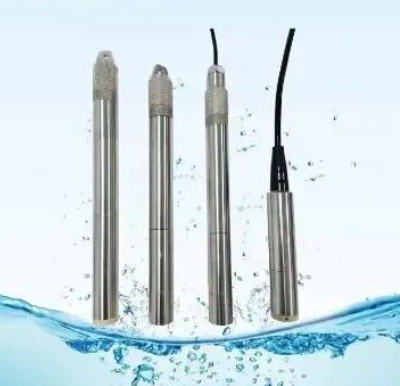
3. AML136 Hydrological Monitoring Equipment: Integrated Monitoring of Water Level, Water Temperature, and Electrical Conductivity
The core advantage of AML136 is integrated multi-parameter long-term monitoring.
The equipment integrates:
- Water level monitoring
- Water temperature monitoring
- Electrical conductivity monitoring
Once deployed in a well, it can simultaneously collect multiple key hydrological parameters. It is suitable for geological exploration, groundwater dynamic monitoring, hydrological monitoring, site surveys, and hydrological research.
AML136 strictly complies with the HJ164-2020 Groundwater Monitoring Standard, meeting the requirements of long-term groundwater monitoring projects for data continuity and monitoring compliance.
4. High-Precision Monitoring with 2-5 Years of Extended Battery Life
For hydrological monitoring equipment deployed underground for long periods, stability, measurement accuracy, and battery life are among the most important concerns for project teams.
The customer also raised a key concern at the time:
“How is the equipment stability and battery life in the humid and complex underground environment over the long term? Can measurement accuracy be guaranteed?”
AML136 is designed for long-term underground monitoring environments and is equipped with high-precision sensor chips:
- Water level accuracy: 0.01%FS
- Water temperature accuracy: ±0.1°C
- Built-in automatic barometric pressure compensation algorithm
Through automatic barometric pressure compensation, environmental interference with monitoring data can be effectively avoided, improving data stability during long-term monitoring.
In terms of battery life, AML136 is equipped with a large-capacity long-life power supply and can operate continuously and stably for 2-5 years, without the need for frequent battery replacement. It is suitable for groundwater dynamic monitoring projects requiring long-term deployment.
At the same time, the equipment supports a minimum high-frequency sampling interval of 1 minute, enabling 24-hour uninterrupted recording of groundwater-related data and reducing data gaps caused by manual measurements.
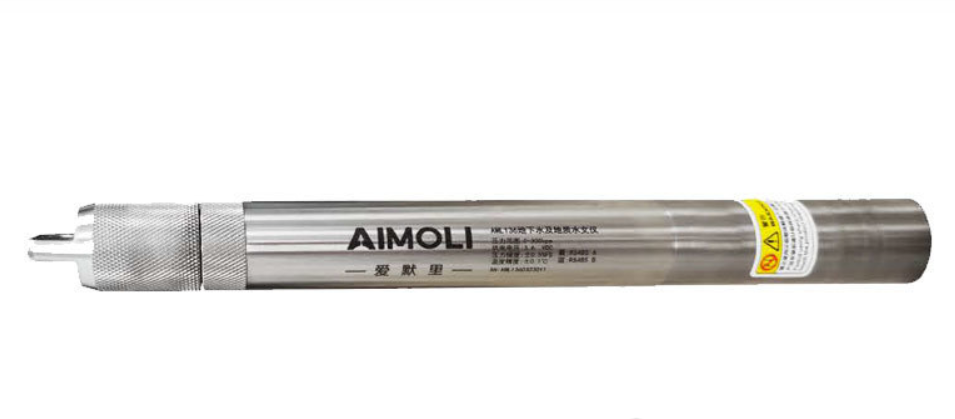
5. Remote Online Monitoring to Reduce Manual Downhole Maintenance
Traditional groundwater monitoring methods require personnel to regularly visit the site to read data and maintain equipment. Long-term projects often involve multiple monitoring points, resulting in relatively high manual maintenance costs.
The AML136 Geological Hydrological Instrument is simple to operate, requires no complicated wiring, and can operate independently after deployment.
Data can be:
- Exported via USB flash drive
- Uploaded remotely via network
- Viewed on mobile phones
- Viewed on computers
- Backed up
For regional groundwater dynamic monitoring projects, appropriate data reading and transmission methods can be selected according to actual project requirements, reducing the need for frequent manual downhole measurements and improving the practical efficiency of hydrological monitoring equipment.
6. Adaptation to Small-Diameter Monitoring Wells for Complex Field Monitoring Conditions
Monitoring wells used in groundwater monitoring projects do not always have the same diameter. Whether a geological hydrological instrument can smoothly enter a small-diameter monitoring well is an important factor affecting deployment efficiency.
The AML136 probe has a compact diameter and can adapt to various small-diameter monitoring wells. It can be lowered smoothly without jamming and is suitable for most outdoor monitoring conditions.
For groundwater dynamic monitoring projects requiring long-term deployment, this compact design can reduce equipment deployment difficulties while also reducing the pressure of subsequent manual maintenance.
7. Intelligent Fault Diagnosis to Reduce Long-Term Monitoring Risks
Long-term operating hydrological monitoring equipment not only needs to continuously collect data but also needs to reduce equipment abnormalities and monitoring risks.
The AML136 Geological Hydrological Instrument features an intelligent fault diagnosis function, which can predict potential equipment problems and well abnormalities in advance, helping project teams identify potential issues in a timely manner and reducing monitoring interruptions caused by equipment abnormalities.
For groundwater dynamic monitoring projects requiring long-term operation, this means the equipment is not only responsible for “collecting data” but can also further assist project teams in managing equipment operation.
8. Customer Feedback: More Complete and Continuous Long-Term Groundwater Monitoring Data
After being used for a period of time, the customer specifically provided the following feedback:
“AML136 solved our long-term monitoring challenge! We no longer need to repeatedly enter the wells for measurements. Data is collected automatically throughout the entire process, and the data is complete, continuous, accurate, and compliant. The project report passed the review on the first attempt. The extended battery life eliminated frequent maintenance, and our team’s work efficiency increased several times. It is an essential piece of equipment for geological and hydrological monitoring.”
From the perspective of actual project applications, AML136 primarily addresses three long-standing problems in traditional groundwater dynamic monitoring:
Frequent manual measurements, discontinuous monitoring data, and high long-term maintenance costs.
Through simultaneous multi-parameter measurement, long battery life, continuous data recording, and remote data management, AML136 can better adapt to long-term groundwater dynamic monitoring requirements.
9. What Applications Is the AML136 Geological Hydrological Instrument Suitable For?
AML136 is designed for long-term in-situ monitoring requirements and can be used in:
Geological Exploration
For long-term monitoring of groundwater level, water temperature, and electrical conductivity in geological exploration projects.
Groundwater Dynamic Monitoring
Suitable for regional groundwater dynamic monitoring, continuously recording changes in groundwater parameters and providing continuous data for long-term monitoring.
Hydrological Monitoring
As professional hydrological monitoring equipment, it is suitable for projects requiring long-term and continuous collection of hydrological data.
Site Surveys
Suitable for related site environmental surveys and groundwater monitoring.
Hydrological Research
Used for long-term data collection and in-situ monitoring in hydrological research projects.
10. Why Choose the AML136 Geological Hydrological Instrument?
For projects requiring long-term groundwater monitoring, the selection of a geological hydrological instrument should not focus only on single-measurement accuracy. It should also comprehensively consider equipment battery life, monitoring parameters, well compatibility, data continuity, and subsequent maintenance costs.
The core advantages of the AML136 Groundwater and Geological Hydrological Instrument can be summarized as follows:
Multi-Parameter: Integrated monitoring of water level, water temperature, and electrical conductivity.
High Precision: Water level accuracy of 0.01%FS and water temperature accuracy of ±0.1°C.
Long Battery Life: Continuous and stable operation for 2-5 years.
High-Frequency Data Collection: Minimum 1-minute sampling interval with support for 24-hour continuous recording.
Small-Diameter Adaptation: Suitable for various small-diameter monitoring wells.
Remote Management: Supports USB flash drive data export and network-based remote uploading, with data viewable on mobile phones and computers.
Intelligent Diagnosis: Built-in intelligent fault diagnosis function to reduce long-term maintenance risks.
Standardized Application: Strictly complies with the HJ164-2020 Groundwater Monitoring Standard.
From Manual Measurements to Long-Term Intelligent In-Situ Monitoring
The key to groundwater dynamic monitoring is to continuously obtain complete, continuous, and stable monitoring data.
Traditional manual measurement methods not only require significant manpower investment but can also result in insufficient monitoring frequency, data gaps, and high long-term maintenance costs.
The AML136 Geological Hydrological Instrument is centered on integrated multi-parameter monitoring of water level, water temperature, and electrical conductivity. Combined with 0.01%FS water level accuracy, ±0.1°C water temperature accuracy, 2-5 years of extended battery life, a minimum 1-minute sampling interval, remote data uploading, small-diameter monitoring well adaptation, and intelligent fault diagnosis, it provides a more efficient in-situ monitoring solution for geological exploration, groundwater dynamic monitoring, and long-term hydrological monitoring.
If a project requires long-term deployment of hydrological monitoring equipment, the AML136 Groundwater and Geological Hydrological Instrument can reduce repeated manual measurements and help transform groundwater monitoring from “regular manual measurement” to “long-term continuous automatic monitoring.”
